

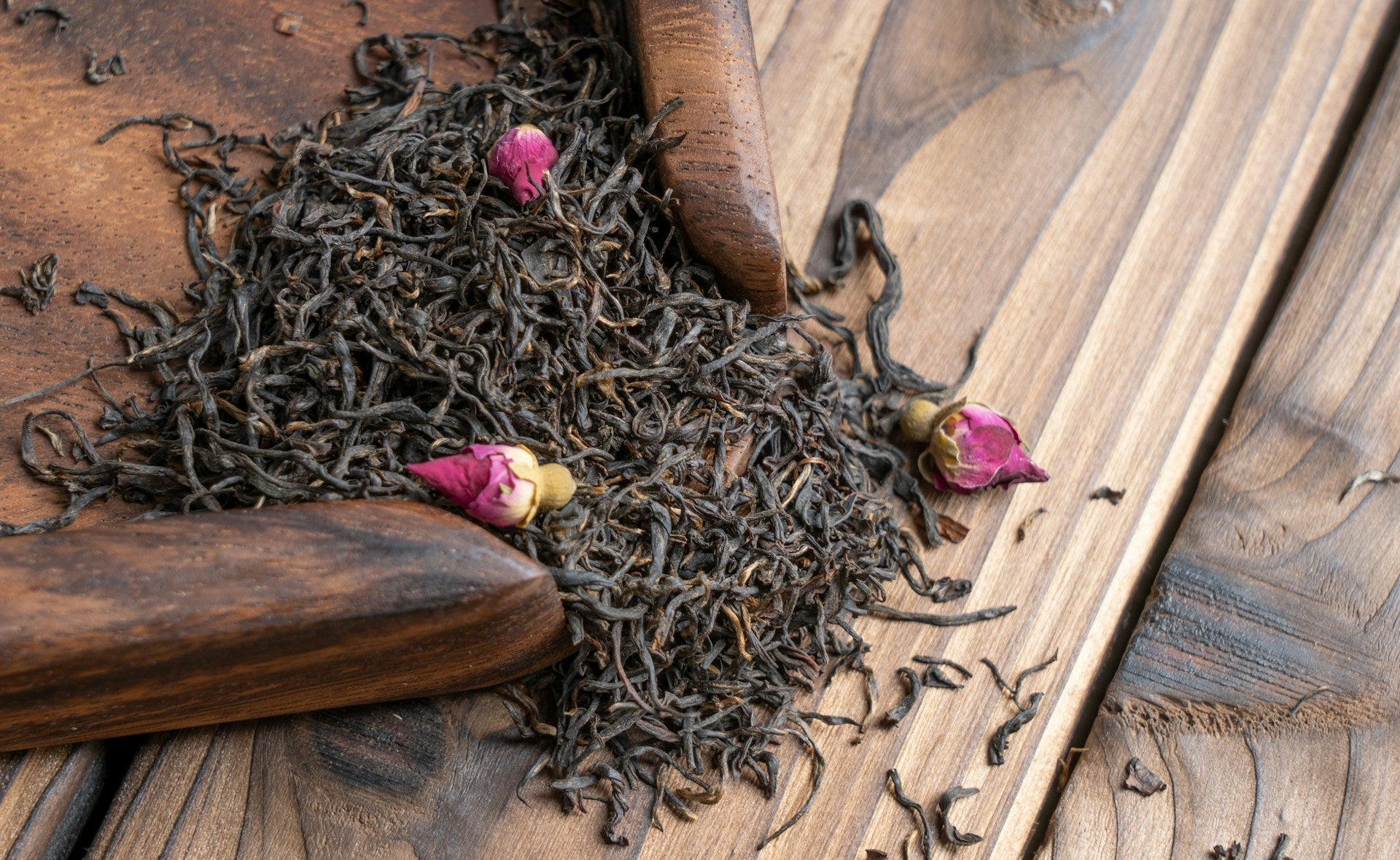
Collagen tea is a beverage that combines tea leaves with hydrolyzed collagen peptides. It is designed to be a simple, enjoyable way to consume collagen. You drink it just like any other tea. The goal is to support your skin, joints, and nails from within. Many people find it more pleasant than mixing powders or swallowing pills. This guide will explain its benefits and help you understand if it is right for you.

Collagen Tea vs Other Supplements
Understanding the Core Differences
When considering collagen, you have several options. The most common are powders, pills, and now, teas. Each format serves a different purpose and fits a different lifestyle. Powders offer high doses. Pills provide tasteless convenience. Tea aims to create an enjoyable daily ritual. My past self would have only focused on the numbers. The cost per gram. The dosage. But experience taught me that how you consume something matters just as much as what you consume.
Let's look at the data directly.
| Metric | Collagen Tea | Collagen Powder | Collagen Pills/Capsules |
|---|---|---|---|
| Typical Collagen Dosage per Serving | 1,000 - 5,000 mg (1 - 5 g) | 10,000 - 20,000 mg (10 - 20 g) | 1,000 - 6,000 mg (1 - 6 g) |
| Typical Physical Serving Size | 1 tea bag (approx. 2-4 g total) | 1 scoop (approx. 10 - 20 g) | 2 - 6 capsules |
| Typical Molecular Weight (Hydrolyzed) | < 5,000 Daltons | < 5,000 Daltons | < 5,000 Daltons |
| Key Added Benefit (Example) | L-theanine in green tea bases: 25-60 mg | Often contains 0 mg | 0 mg |
The table shows clear trade-offs.
- Collagen Powder: Offers the highest dosage. It is ideal for those seeking maximum impact. The downside can be taste and mixability.
- Collagen Pills: Are convenient and tasteless. However, you may need to take many capsules to reach an effective dose.
- Collagen Tea: Provides a lower dose per serving. Its value is in the experience. It combines supplementation with the calming ritual of drinking tea. It also offers benefits from the tea itself, like antioxidants.

The Real Benefits and Timelines
What the Science Says
The appeal of collagen tea lies in its potential health benefits. These are not just marketing claims. Scientific studies have explored the effects of collagen peptide supplementation. The key is consistency. Results do not appear overnight. They are the product of a steady, daily habit. Below is a summary of findings from clinical research. It gives a realistic picture of what to expect and when.
| Benefit Area | Specific Outcome Metric | Timeline to See Results | Effective Daily Dosage Used in Studies |
|---|---|---|---|
| Skin Elasticity & Wrinkles | Up to 13% reduction in eye wrinkle volume. | 8 - 12 weeks | 2.5 g - 10 g |
| Skin Hydration | 28% increase in skin moisture levels. | 8 weeks | 10 g |
| Joint Pain (Osteoarthritis) | 32% decrease in WOMAC joint pain score. | 90 days (3 months) | 8 g - 12 g |
| Nail Health | 12% increase in nail growth rate. | 24 weeks (6 months) | 2.5 g |
These numbers provide a helpful framework. For skin benefits, you should commit to at least two to three months of daily use. For joint support, a longer period is often necessary. Nail health improvements may take the longest to become noticeable. Remember, these studies often use dosages that may be higher than a single cup of collagen tea. You might need multiple servings or to combine it with other sources to match these levels.

Safety and Side Effects to Consider
Is It Safe for Daily Consumption?
For most people, collagen tea is a safe daily supplement. The collagen peptides used are generally well-tolerated. They have been recognized for their safety by regulatory bodies. Still, it is wise to be informed about any potential issues.
| Safety Aspect | Data Point | Details |
|---|---|---|
| Regulatory Status | FDA Designation: GRAS | Collagen peptides are "Generally Recognized As Safe" by the U.S. FDA. |
| Side Effect Prevalence | < 5% | Mild side effects like bloating are reported by a small percentage of users in studies. |
| Allergen Risk (Marine Collagen) | Fish Allergy Prevalence: ~1% | People with fish or shellfish allergies must avoid marine collagen. |
| Kidney Disease Caution | Recommended Protein Limit: 0.6 - 0.8 g per kg of body weight | Those with kidney disease should consult a doctor before adding protein supplements. |
The main things to be aware of are:
- Mild Digestive Issues: Some individuals may experience a feeling of fullness or slight bloating. This is not common.
- Allergies: Collagen is sourced from animals. If you have an allergy to fish, shellfish, or beef, check the source on the label. Marine collagen is from fish. Bovine collagen is from cows.
- Existing Health Conditions: If you are pregnant, nursing, or have a condition like kidney disease, speak with your doctor first. It is always the safest course of action.

Choosing a High Quality Collagen Tea
Key Factors for Your Selection
The market is filled with options. It can be hard to know what to look for. Focusing on a few key criteria can help you choose a quality product. You want something that is both effective and pure.
Here are some guidelines:
- Collagen Type and Source: Look for "hydrolyzed collagen" or "collagen peptides." This means the collagen is broken down for better absorption. Common sources are bovine (cow) or marine (fish).
- Effective Dosage: Check the amount of collagen per serving. Aim for a product that provides at least 2.5 grams (2,500 mg) to align with study findings.
- Third-Party Testing: Look for seals from organizations like NSF or USP. These certifications mean the product has been tested for purity and potency.
- Minimal Added Ingredients: The best tea for collagen production is often the simplest. Avoid products with excessive sugar or artificial flavors. Options like a primal kitchen chai tea collagen keto latte can be good if they fit your diet.
| Guideline | Data Point | Details |
|---|---|---|
| Choose an Effective Dose | 2.5 g - 15 g daily | 2.5-10 g is effective for skin; 8-15 g is often used for joint support. |
| Preparation Temperature | Denaturation Temp: >150°C (302°F) | Collagen peptides are stable in hot water. Boiling water (100°C) will not damage them. |
| Look for Vitamin C | RDA for Vitamin C: 75 mg (women) | Vitamin C helps your body produce its own collagen. |
| Verify Purity | Third-Party Seals: NSF, USP, cGMP | These seals indicate independent testing for quality and contaminants. |
How to Prepare Your Collagen Tea
Preparing collagen tea is simple. You just steep the tea bag in hot water. Many people worry that heat will destroy the collagen. This is a misunderstanding. Hydrolyzed collagen peptides are very stable. The boiling point of water is not hot enough to damage them. So, you can enjoy your tea hot without any concern. In fact, some people find adding collagen powder to hot tea is a great way to use unflavored supplements they already own.
For the best experience:
- Heat your water to the appropriate temperature for the tea type (e.g., not quite boiling for green tea).
- Pour the water over the collagen tea bag in a mug.
- Steep for the recommended time, usually 3-5 minutes.
- Remove the bag and enjoy. You can add lemon or a small amount of honey if you wish.

Analyzing the Cost and Value
Is Collagen Tea a Good Investment?
Cost is an important factor. When you evaluate the price, it is useful to look beyond the cost per box. The cost per gram of actual collagen gives you a truer sense of value. Here is how collagen tea compares to other forms.
| Collagen Format | Typical Price Per Unit | Typical Cost Per Serving | Average Cost Per Gram of Collagen |
|---|---|---|---|
| Collagen Tea | $20 - $30 for 14-16 tea bags | $1.30 - $1.90 | $0.45 - $0.65 |
| Collagen Pills/Capsules | $20 - $35 for 120-240 capsules | $0.80 - $1.50 | $0.25 - $0.40 |
| Collagen Powder (Unflavored) | $25 - $50 for a 10-20 oz tub | $0.90 - $1.80 | $0.08 - $0.12 |
The data is clear. Unflavored collagen powder is the most cost-effective option per gram. Collagen tea is the most expensive. You are paying a premium for convenience, flavor, and the integrated experience. The question of "value" becomes personal. Is the enjoyable ritual worth the extra cost? For many, the answer is yes. It makes them more likely to stick with the habit. Consistency is where the real benefits are found.

The Missing Element in the Conversation
From Numbers to Nuance
I spent years of my life chasing numbers. In the Puerh tea market, I saw tea cakes as stocks. Their value was in their age, origin, and rarity. A "drinkable antique." My warehouses were filled with these appreciating assets. I understood their market price down to the last dollar. But I did not understand the tea itself. I would have analyzed collagen tea with the same cold logic. Cost per gram. Milligrams per serving. A pure numbers game.
The Crash and the Awakening
Then the market bubble burst. My empire collapsed. I was left with a warehouse full of tea no one wanted. At my lowest point, I broke open a 20-year-old Puerh cake. Not to appraise it, but simply because I was thirsty. That first sip changed everything. I tasted the passage of time. The deep, earthy smoothness. It was profound. It was a feeling, not a number. I began to drink my collection. I learned that the true value of tea was not in its price tag. It was in the experience of brewing and drinking it.
Applying Wisdom to a Modern Ritual
This experience reshaped my view of everything, including modern supplements like collagen tea. People get lost in the data. They forget that health is also about daily moments of peace. A supplement is only effective if you take it consistently. And you are more likely to be consistent if you enjoy it.
My daily collagen drink felt like a chore. Another task to complete. I was just swallowing it for the benefits. Then, I decided to treat it like a real tea ceremony. I stopped using a simple kitchen mug. I started using a proper vessel. A Ru Kiln celadon cup from our OrientCup collection. The weight felt perfect in my hands. The subtle crackled glaze was beautiful. The celadon held the heat, keeping the tea warm.
Suddenly, the routine was transformed. It was no longer about consuming a supplement. It became a quiet, ten-minute ritual. A moment of reflection before the day began. The experience made me look forward to it. This is the missing element. The vessel, the ritual, the mindfulness—they are not just details. They are what turn a simple habit into a meaningful practice. They are what ensure you show up for yourself, day after day.

A Final Thought
Collagen tea offers a practical and pleasant way to support your wellness goals. The scientific data shows potential benefits for those who are patient and consistent. It costs more than powder, but it provides an enjoyable ritual in return.
As you explore it, I encourage you to think beyond the ingredients. Consider the experience itself. The true value is found in the small moments of calm you create for yourself. A good habit is one you look forward to. The journey with tea, in any form, is always personal. Find the ritual that brings you a moment of peace. Explore the pieces that speak to you. Your wellness is built on these small, consistent acts of self-care.
Frequently Asked Questions
What exactly is collagen tea?
Collagen tea is a beverage that combines traditional tea leaves (like green or black tea) with hydrolyzed collagen peptides. It's designed to be an enjoyable and simple way to consume collagen daily to support skin, joint, and nail health, integrating the supplement into a calming ritual.
How long does it take to see benefits from drinking collagen tea?
Results depend on consistency and dosage. According to clinical studies, you might notice improved skin hydration and elasticity in 8-12 weeks. Joint pain relief may take around 3 months, and improvements in nail growth can take up to 6 months.
Is collagen tea better than collagen powder or pills?
Each form has different advantages. Collagen powder typically offers the highest dosage per serving and is the most cost-effective. Pills are convenient and tasteless. Collagen tea provides a lower dose but combines supplementation with the enjoyable experience of a warm beverage, which can help with consistency. The "better" option depends on your personal preferences and goals.
Will hot water destroy the collagen in the tea?
No, this is a common misconception. The hydrolyzed collagen peptides used in supplements are stable at high temperatures. Boiling water (100°C / 212°F) is not hot enough to damage them, as they can typically withstand temperatures above 150°C (302°F).
Are there any side effects or risks I should be aware of?
Collagen peptides are generally recognized as safe (GRAS) by the FDA. A small percentage of people might experience mild digestive issues like bloating. It's important to check the collagen source (e.g., bovine or marine) if you have allergies to beef or fish. If you are pregnant, nursing, or have a pre-existing condition like kidney disease, you should consult your doctor before starting any new supplement.
References
- A Collagen Supplement Improves Skin Hydration, Elasticity, Roughness, and Density - A randomized, placebo-controlled, blind study on the effects of collagen supplementation.
- Collagen: What it is, Types, Benefits & Uses - An overview from the Cleveland Clinic.
- Top 6 Benefits of Taking Collagen Supplements - A comprehensive article from Healthline on collagen benefits.
- Collagen - The Nutrition Source - Information from the Harvard T.H. Chan School of Public Health.
- 9 Benefits of Green Tea - Details on the added benefits from the tea component, from the Cleveland Clinic.
- 5 Reasons You Should Be Drinking Collagen Tea - A lifestyle perspective on collagen tea.
- Collagen Tea: A How To Guide & Benefits - A guide to making and understanding collagen tea.
- Considering collagen drinks and supplements? - An expert opinion from Harvard Health Publishing.
Share:
Collagen Tea: Everything You Need to Know
Can You Put Collagen Powder in Hot Tea? A Complete Guide