

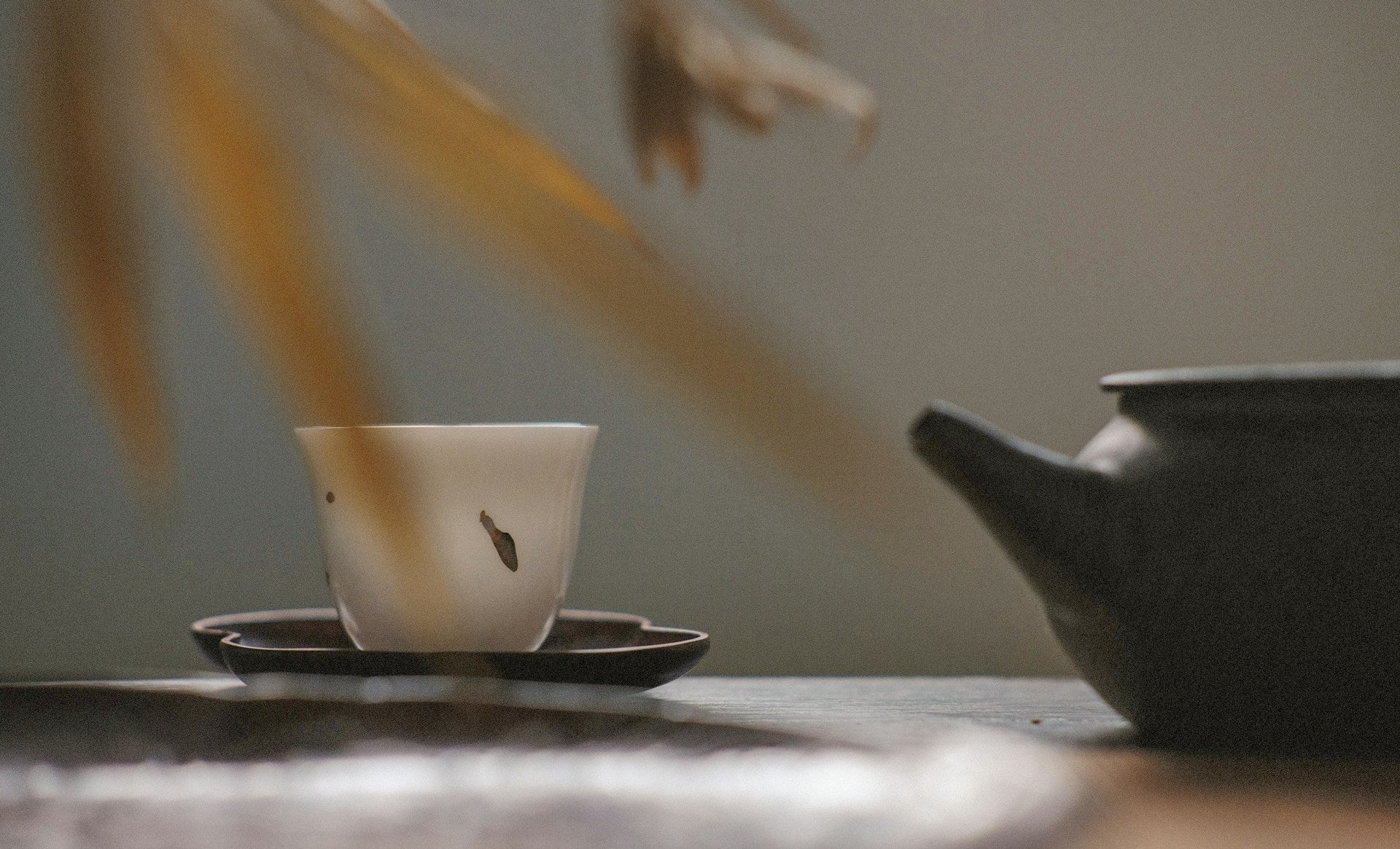
Yes, green tea is excellent for a keto diet. Plain, unsweetened green tea is a perfect choice. It contains virtually zero carbohydrates. This means it will not disrupt ketosis. You can drink it without derailing your progress.

Why Green Tea Supports Your Keto Goals
Many people on keto fear hidden sugars. They scrutinize every label. This caution is wise. Bottled green teas often contain sweeteners. Even some tea bags have added flavourings. Your best choice is always pure green tea leaves. Or simple, unadulterated tea bags. This ensures your green tea on keto is truly friendly.
I understand this obsession with purity. For years, my family blended teas in London. We aimed for consistency. We balanced strong Assam with other leaves. Sugar and milk were part of the ritual. The goal was to tame the tea. To create a familiar, comforting cup. I never questioned this tradition. Until my world fell apart. My journey into pure tea taught me a valuable lesson. The most profound flavours are often the simplest. This aligns perfectly with the keto philosophy. It is about returning to clean, whole sources of fuel.
Drinking green tea while on keto offers powerful benefits. It goes beyond simple hydration. It actively supports the metabolic state you work so hard to maintain. I found it became a vital part of my own wellness routine. It provided a sense of calm focus. A feeling I hadn't realized I was missing.
Boosting Metabolism and Fat Oxidation
The ketogenic diet trains your body to burn fat. Green tea can potentially enhance this process. It contains powerful compounds called catechins. The most notable is Epigallocatechin gallate (EGCG).
Here’s how it helps:
- Increased Thermogenesis: EGCG can slightly increase your body’s heat production. This process burns more calories.
- Enhanced Fat Burning: Studies suggest EGCG may encourage fat oxidation. Your body becomes more efficient at using fat for energy.
- Synergy with Caffeine: Green tea contains a moderate amount of caffeine. This works with EGCG to boost your metabolic rate.
This metabolic support is a key reason many choose green tea in keto. It feels like a natural partner to the diet.
Enhancing Mental Clarity and Focus
Starting keto can sometimes lead to "keto flu." You might feel foggy or lethargic. Green tea offers a unique solution. It contains an amino acid called L-theanine. This compound works wonderfully with caffeine.
| Compound | Average Amount (per 8oz cup) | Primary Keto Benefit |
|---|---|---|
| Carbohydrates | 0.0 grams | Does not disrupt ketosis |
| Calories | ~2 calories | Negligible impact on daily intake |
| Caffeine | 28 mg (20-50 mg range) | Provides gentle energy boost |
| L-theanine | 15-30 mg | Promotes calm focus, counters jitters |
| EGCG | 50-100 mg | Supports metabolism and fat oxidation |
L-theanine promotes alpha brain waves. These are associated with a state of relaxed alertness. You get the energy from caffeine. But you avoid the jitters or crash from coffee. This creates a smooth, sustained focus. It helps you stay sharp and productive.
Managing Hunger and Cravings
Sticking to a diet is often a mental battle. Hunger pangs can be a major challenge. Green tea can be a helpful tool for appetite control. Drinking a warm cup between meals promotes a feeling of fullness. This can help you manage cravings. It also keeps you hydrated. Proper hydration is critical on a keto diet. It helps maintain electrolyte balance and overall function.

Potential Downsides to Consider
While green tea is overwhelmingly beneficial, it is wise to be aware of potential side effects. A rational approach considers both sides. This allows you to enjoy its benefits without any drawbacks.
Caffeine Sensitivity
Green tea contains less caffeine than coffee. An 8-ounce cup of green tea has about 28 mg. The same amount of coffee has around 95 mg. However, some people are very sensitive to caffeine.
If you are sensitive, consider these points:
- Avoid green tea in the late afternoon or evening. It could disrupt your sleep.
- Listen to your body. If you feel jittery, reduce your intake.
- Decaffeinated green tea is an option. It still contains beneficial antioxidants.
Digestive Considerations
Some people experience mild stomach upset from green tea. This is often due to tannins. They can increase stomach acid. This is more likely when you drink it on an empty stomach. I find it is best enjoyed with or after a meal. This simple change can prevent any discomfort.
Iron Absorption
Green tea catechins can slightly reduce the absorption of non-heme iron. This is the type of iron found in plant-based foods. This is generally not a concern for most people. Especially if you eat a varied keto diet with animal products. If you have iron deficiency, you can take a simple precaution. Drink your green tea at least an hour before or after iron-rich meals.

Choosing and Preparing Keto-Friendly Green Tea
The way you choose and prepare your tea matters greatly. Proper technique unlocks its full flavour and benefits. It also ensures your green tea is truly keto. It avoids hidden sugars and carbs. This precision is key to success.
Selecting the Right Type of Green Tea
Many varieties of green tea exist. All are keto-friendly in their pure form. Here are a few popular choices:
- Sencha: A classic Japanese green tea. It has a fresh, slightly grassy flavour. It is a wonderful daily tea.
- Matcha: A finely ground powder of special green tea leaves. You consume the entire leaf. This means it has more concentrated EGCG and L-theanine. This is why some wonder if a matcha green tea latte is keto, as it requires careful preparation with keto-friendly milk and sweeteners.
- Bancha: A common Japanese green tea. It has a lower caffeine content. It is a good choice for the afternoon.
- Genmaicha: Green tea combined with roasted brown rice. The rice adds a few carbs. A cup is generally still very low-carb. But be mindful if you track macros strictly.
Always check the ingredients. Avoid any teas with added sugars, fruit pieces, or honey crystals. Pure leaves are always the safest bet. It's also worth being cautious with pre-made beverages; for example, understanding if Lipton Diet Green Tea is keto-friendly requires a close look at its artificial sweeteners and ingredients.
The Art of Proper Brewing
Brewing green tea is a delicate art. Using water that is too hot will scorch the leaves. This releases excess tannins. It creates a bitter, unpleasant taste. The correct temperature preserves the delicate flavours. It also protects the beneficial compounds.
| Tea Type | Water Temperature | Steeping Time |
|---|---|---|
| Sencha, Bancha | 160-180°F (70-82°C) | 1-2 minutes |
| Gyokuro (delicate) | 120-140°F (49-60°C) | 2-3 minutes |
| Matcha | ~175°F (80°C) | Whisk until frothy |
I learned the importance of temperature the hard way. My family tradition involved boiling water for everything. It suited the robust black teas we blended. When I first tried brewing a delicate sencha this way, it was awful. It was a lesson in respect for the leaf. Each tea has its own voice. You must listen to it.
Keto-Friendly Additions
Plain green tea is wonderful. But you might want to add a little something extra. Many additions are perfectly keto-friendly.
- Lemon Juice: A squeeze of lemon adds brightness. It may also help your body absorb the catechins more effectively.
- Keto Sweeteners: If you prefer sweetness, use stevia, erythritol, or monk fruit.
- Ginger or Mint: Fresh ginger slices or mint leaves add flavour without carbs.
- MCT Oil or Ghee: Some people add a small amount of fat. This can create a creamy, satisfying keto tea.

Green Tea's Role in Ketosis Optimization
Green tea does not induce green tea ketosis on its own. Ketosis is a metabolic state achieved through carbohydrate restriction. Instead, green tea acts as a powerful support system. It enhances the efficiency and comfort of your ketogenic lifestyle. It helps optimize your body’s fat-burning machinery.
Comparing it to coffee is useful. Coffee provides a sharp caffeine peak. This can be great for a pre-workout boost. But it can also lead to a crash. Green tea’s combination of caffeine and L-theanine offers a different experience. It provides a gentler, more sustained lift. This makes it ideal for prolonged focus during a workday. It aligns well with the steady energy keto provides.
I spent years meticulously balancing flavours in our London blending house. I obsessed over every detail. This kind of precision mirrors the keto lifestyle. Every gram of carbohydrate matters. Every choice impacts your metabolic state. Yet, for all my focus on the tea blend, I ignored the vessel. I believed the blender's art was everything. The frame was more important than the masterpiece inside.
My failure in Mayfair forced me to unlearn everything. I travelled to Assam, the heart of my family's signature blend. I went looking for answers in the raw material. On a small estate, a tea maker prepared a single-origin Assam for me. He did not use a fine china cup from England. He used a small, humble clay pot.
He warmed the pot first with hot water. He gently rinsed the golden-tipped leaves. He poured the water with practiced grace. The aroma that rose from that simple vessel was astonishing. It was rich, malty, and sweet. All the notes I had spent my life trying to blend away were there. They were in perfect, natural harmony.
The clay pot held the heat evenly. Its porous nature seemed to breathe with the tea. It softened the water. It rounded out any sharp edges. The tea was not just a drink. It was a complete sensory experience. That moment shattered my entire philosophy. For a hundred years, my family had built beautiful frames. We never realized we were framing over the masterpieces themselves. The vessel was not just a container. It was an active participant in creation. It unlocked the soul of the leaf.
This discovery changed my life. I realised that the right tools do not just perform a function. They transform an experience. A proper teapot, a well-shaped cup—they are like the keto diet itself. They provide the optimal environment for something wonderful to happen. They allow the true potential to be expressed.

Your Own Journey of Discovery
Green tea is a wonderful ally on your keto journey. It is carb-free. It supports your metabolism. It enhances your focus. It helps you stay hydrated and manage cravings. By choosing pure tea and preparing it with care, you unlock its full range of benefits.
My own path was one of unlearning. I had to let go of old traditions. I had to discover the simple truth within the leaf. Your journey with keto is similar. It is a path of discovery. You are learning what truly nourishes your body.
Perhaps your tea journey is just beginning. Consider the vessel in your hands. Consider how it might change the experience. A simple change can reveal a depth you never knew existed. I invite you to explore your own path. Find the tools and rituals that bring you clarity and joy. Your own masterpiece is waiting to be discovered.
Frequently Asked Questions
Is green tea suitable for a keto diet?
Yes, plain, unsweetened green tea is excellent for a keto diet. It contains virtually zero carbohydrates, ensuring it will not disrupt ketosis. However, it's crucial to avoid bottled green teas or tea bags with added sweeteners or flavorings.
How does green tea support metabolic goals on keto?
Green tea contains catechins, particularly EGCG, which can increase thermogenesis (calorie burning) and enhance fat oxidation, making your body more efficient at using fat for energy. Its moderate caffeine content works synergistically with EGCG to boost your metabolic rate.
Can green tea help with "keto flu" symptoms like fogginess?
Yes, green tea can help. It contains L-theanine, an amino acid that works with caffeine to promote alpha brain waves, leading to a state of relaxed alertness. This provides sustained focus and helps counteract the mental fogginess or lethargy often associated with "keto flu" without the jitters of coffee.
Are there any potential downsides or precautions when drinking green tea on keto?
While generally beneficial, be aware of caffeine sensitivity (avoid late-day consumption), potential mild stomach upset (drink with or after a meal to mitigate tannins), and reduced non-heme iron absorption (drink green tea at least an hour before or after iron-rich meals if you have iron deficiency).
What's the best way to choose and prepare keto-friendly green tea?
Always choose pure green tea leaves or unadulterated tea bags, avoiding added sugars or flavorings. Brew delicate green teas like Sencha or Bancha with water between 160-180°F (70-82°C) for 1-2 minutes to prevent bitterness. Keto-friendly additions include lemon juice, stevia, erythritol, monk fruit, ginger, mint, MCT oil, or ghee.
References
- Is Green Tea Keto-Friendly? - Univen FM
- Keto Drinks Besides Water - Healthline
- Keto and Green Tea: The Ultimate Diet Combination - History of Ceylon Tea
- Tea & Keto Diet Guide - Simple Loose Leaf
- The Keto Diet and Matcha Tea - Matcha.com
- How to Find Keto Tea for Your Keto Diet - Live Zesty
- Keto Green Tea - BetterMe
- Is Green Tea Keto or Not? - TeaLeavz
- The Ultimate Guide to Keto-Friendly Teas and Ingredients - Tucson Tea
- The Keto Diet Tea: A Guide - Art of Tea
- Matcha Benefits for Keto Diet - Matcha Sunday
Share:
Is Matcha Green Tea Latte Keto? A Complete Guide
Is Starbucks Chai Tea Latte Keto-Friendly?