

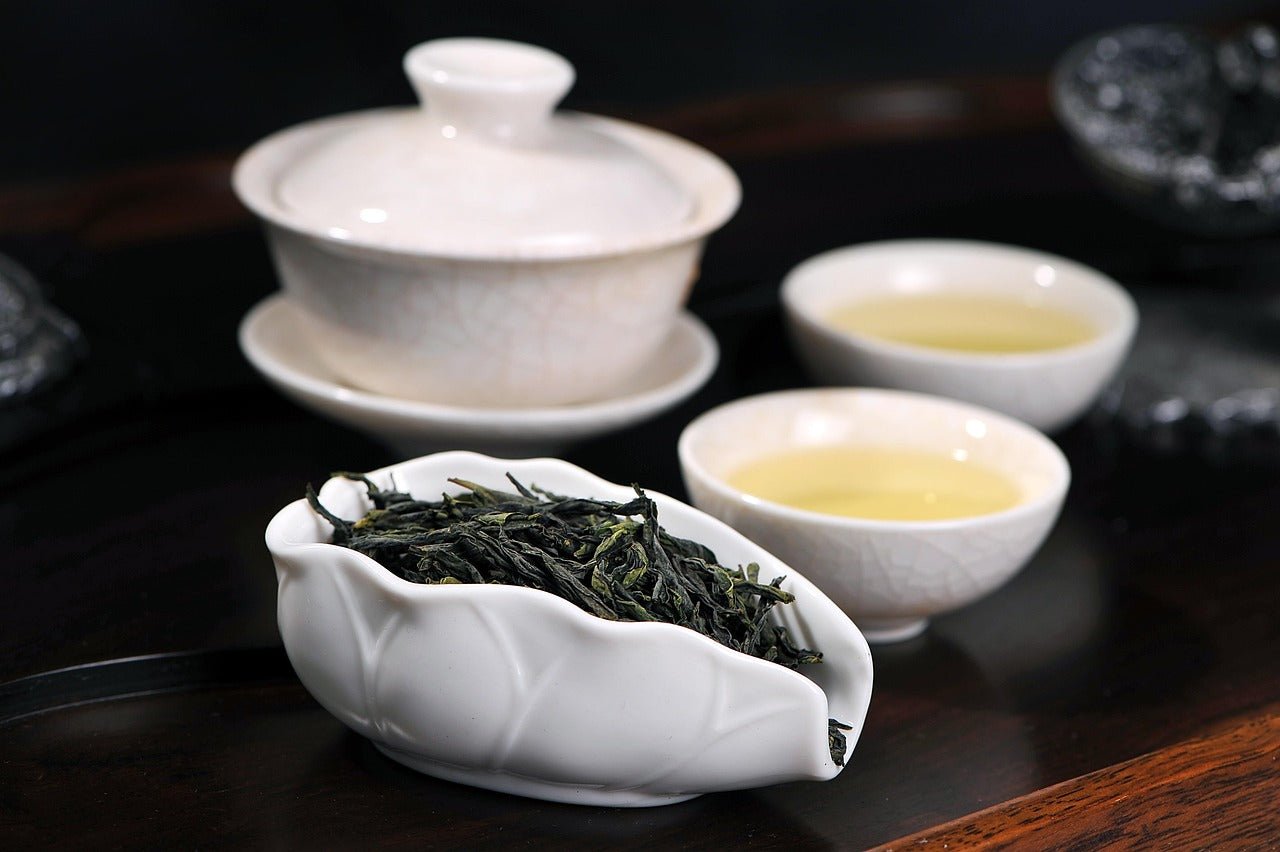
I’ll get straight to it. The five best teas for vocal cords in 2025 are ginger, licorice root, chamomile, slippery elm bark, and marshmallow root. They soothe inflammation, lubricate dry tissues, and help you keep a clean, stable tone. I’ve tested them on the road, backstage, and at my desk. When my voice feels grainy or dull, these are the cups that bring it back to life.

Quick answer
The shortlist
- Ginger tea: Reduces swelling and warms the voice.
- Licorice root tea: Coats and protects dry vocal folds.
- Chamomile tea: Calms irritation and eases tension.
- Slippery elm bark tea: Creates a soothing gel-like shield.
- Marshmallow root tea: Deeply hydrates and softens scratchiness.
Why these work
- Anti-inflammatory action lowers vocal fold edema.
- Demulcent mucilage coats and lubricates the larynx.
- Gentle expectorants help move sticky mucus.
- Warm hydration supports pliable, resilient cords.
If you want a deep dive into one star of the list, I’ve broken down the science and routine in this guide to ginger tea for hoarseness and vocal cord relief.

The evidence in one glance
Active compounds, actions, and best uses
| Tea | Key compounds | Primary actions | Best for | Preparation highlight |
|---|---|---|---|---|
| Ginger | Gingerols, shogaols | Anti-inflammatory, antioxidant, warming circulation | Vocal strain, mild hoarseness | 95–100°C, 5–10 min |
| Licorice root | Glycyrrhizin, polysaccharide mucilage | Demulcent coating, anti-inflammatory, expectorant | Dryness, irritation, post-nasal drip | 95–100°C, 10–15 min |
| Chamomile | Apigenin, bisabolol, chamazulene | Anti-inflammatory, antispasmodic, calming | Tension, mild laryngitis, pre-sleep | 95°C, 5–10 min, covered |
| Slippery elm bark | High mucilage polysaccharides | Strong demulcent, barrier effect | Severe dryness, LPR-related issues | Hot brew 10–15 min, or cold infusion 4–12 hrs |
| Marshmallow root | Galacturonorhamnans, arabinogalactans | Potent demulcent, soothing, mild expectorant | Scratchy cords, cough-triggered hoarseness | Hot brew 10–15 min, or cold infusion 4–12 hrs |
If your voice is already gone, this comparison of the best tea for a lost voice can help you choose fast.

How each tea targets specific vocal problems
Ginger tea
Ginger feels like a warm hand on the larynx. Gingerols and shogaols reduce COX‑2 activity. That helps deflate swollen vocal folds. My tone steadies within twenty minutes. I also breathe easier when pollen is high.
Best uses:
- After a long rehearsal or lecture.
- When mild hoarseness blunts brightness.
- When you need comfort without fogginess.
How I brew:
- Fresh slices. Boil, then simmer 10 minutes.
- Strain. Sip warm, not hot.
- Add a teaspoon of manuka honey if needed.
For a thorough routine, see my practical breakdown on ginger tea for hoarseness and vocal cords.
Licorice root tea
Licorice is a gentle shield. The mucilage hydrates and coats. Glycyrrhizin calms inflammation. I use it when dry studio air roughens my edges.
Best uses:
- Dry, raspy feel on the cords.
- Irritation from frequent throat clearing.
- Light mucus that clings to the folds.
How I brew:
- Crushed root. Covered infusion, 10–15 minutes.
- Warm, slow sips.
Safety note appears below. Keep courses short.
Chamomile tea
Chamomile softens the body’s grip. Apigenin soothes the nervous system. Bisabolol eases inflamed tissue. My jaw unclenches. The larynx follows.
Best uses:
- Pre-performance tension at night.
- Mild laryngitis discomfort.
- Post-show decompression.
How I brew:
- Whole blossoms. Covered infusion, 7 minutes.
- Warm. A touch of honey if needed.
- I avoid lemon with an irritated throat.
Slippery elm bark tea
This is armor for rawness. The mucilage forms a protective gel. It glides over the pharynx and larynx. Relief lasts for hours.
Best uses:
- Severe dryness or “raw wire” sensation.
- Chronic hoarseness from overuse.
- LPR-related irritation between meals.
How I brew:
- Hot method when short on time: 10–15 minutes, covered.
- Cold infusion for maximum mucilage: 4–12 hours in cool water. Stir, strain, sip.
When my voice disappears completely, I cross-check choices with this ranked guide to the best tea for throat health 2025.
Marshmallow root tea
Marshmallow is slippery elm’s sweeter cousin. Very high mucilage. It cushions every swallow. My upper register brightens as friction drops.
Best uses:
- Persistent scratchiness from a cough.
- Dry, desert climates or winter heat.
- Gentle support during recovery days.
How I brew:
- Powdered or cut root. Hot brew 10–15 minutes.
- Cold infusion overnight for a thicker, soothing cup.
If you are a vocalist, these two demulcents often top charts in the best teas for singers 2025 comparisons.

Brewing for maximum vocal benefit
Brewing fundamentals
- Temperature: 95–100°C water for most herbal infusions.
- Time: 5–10 minutes for leaves and flowers. 10–15 for roots and barks.
- Cover the cup while steeping. Preserve volatile compounds.
- Form: Loose herb or sliced fresh root gives better extraction than dusty bags.
- Temperature to drink: Warm. Never scalding or icy. Warm relaxes. Extreme heat irritates.
Additives that actually help
Honey
- Manuka works well. UMF 10+ or MGO 263+ is reliable.
- Honey draws moisture. It also soothes micro-irritations.
A small squeeze of lemon
- Helpful for thinning mucus.
- Use sparingly. Avoid if reflux-sensitive.
What to avoid when your cords are touchy
- Menthol
- Feels cool. Dries tissues for some. Skip peppermint when you feel parched.
- Excessive lemon
- Acid can sting the larynx. It may worsen reflux.
- Dairy add-ins
- Can thicken mucus in some. Test your own response.
- Heavy sugar or artificial sweeteners
- No vocal gain. Possible irritation or dehydration cues.
I keep a compact cheat sheet for singers and speakers here: a side-by-side best tea for singing voice comparison. It helps when you have ten minutes before call time.
Practical brewing table
| Goal | Tea choice | Dose | Water temp | Steep time | Extras |
|---|---|---|---|---|---|
| Reduce swelling after strain | Ginger | 2–3 g fresh slices per cup | 95–100°C | 10 min simmer | Honey optional |
| Coat dryness | Licorice root | 1–2 tsp cut root | 95–100°C | 10–15 min | Avoid long-term daily use |
| Ease tension at night | Chamomile | 2–3 tsp blossoms | 95°C | 7–10 min | Honey, no lemon |
| Protect from reflux sting | Slippery elm | 1–2 tsp bark | 95–100°C or cold | 10–15 min hot, or 4–12 hrs cold | Best between meals |
| Calm scratchy cough | Marshmallow root | 1–2 tsp cut root | 95–100°C or cold | 10–15 min hot, or 4–12 hrs cold | Honey helps adherence |
Frequency: 2–3 cups daily during flare-ups. Then taper to maintenance.
If you’re still weighing options, this buyer’s map to the best tea for voice 2025 will guide you by price, ingredients, and effect.

Safety, interactions, and when to pause
A general word of care
- Allergies happen. Check for plant family cross-reactivity.
- Pregnancy or breastfeeding needs tailored advice. Speak with your clinician.
- Children require pediatric dosing. Always confirm.
Ginger tea safety
- Possible issues: Mild heartburn or stomach upset.
- Interactions: Anticoagulants, antiplatelets, diabetes meds, blood pressure meds.
- Caution with bleeding disorders or gallstones. Keep doses moderate.
Licorice root safety
- Possible issues with long use: High blood pressure, low potassium, fluid retention.
- Interactions: Diuretics, digoxin, corticosteroids, blood pressure meds, some contraceptives.
- Avoid in pregnancy. Avoid with heart, kidney, or liver disease. Use in short courses.
Chamomile safety
- Allergy risk if sensitive to Asteraceae plants.
- Possible interaction with anticoagulants or sedatives.
- Avoid if ragweed or daisy family triggers you.
Slippery elm bark safety
- Generally gentle. The mucilage may affect absorption of medications.
- Separate from prescriptions by two hours.
Marshmallow root safety
- Very soothing. It can slow drug absorption.
- Separate from medications by two hours.
If your voice remains hoarse beyond two weeks, see an ENT or voice specialist. Persistent dysphonia deserves a proper look.

Is green tea good for vocal cords?
When it helps
Green tea is rich in catechins. These polyphenols fight oxidative stress. They may calm mild inflammation. A warm, lightly brewed cup can feel clean and clarifying.
When to be cautious
Caffeine can promote dryness in some. Tannins can feel astringent. Before a performance, that tightness can dull resonance. If reflux troubles you, strong green tea can aggravate it.
How I make it work
- Choose low-caffeine options. Kukicha or hojicha suit practice days.
- Brew cooler and lighter. 75–80°C for 1–2 minutes.
- Sip alongside water. One cup of tea, one cup of water.
- Decaf green tea is a safe evening choice.
If you want a bigger context on whether tea helps the singing voice overall, I walk through hydration, timing, and choice here: does tea help your singing voice.

Beyond tea: the daily vocal care that actually sticks
Hydration and humidity
- Aim for pale-straw urine. Hydration starts hours before use.
- Humidify dry rooms to 40–50% relative humidity.
- Steam inhalation before warm-ups feels miraculous. Keep it gentle.
Technique and rest
- Warm up. Lip trills, gentle sirens, soft onset work.
- Cool down. Descending slides and easy humming.
- Respect red flags. Pain means stop. Whispering strains too.
Diet and environment
- Space meals and bed by three hours if reflux pricks your cords.
- Avoid smoke exposure. Limit alcohol on show days.
- Use nasal saline and allergy management during pollen peaks.
A wider buyer’s landscape across herbal options sits here: the best tea for throat health 2025 review. It pairs well with your daily plan.

A small ritual that changed my voice
From Mayfair polish to leaf truth
I grew up in London’s blends. Strong cups, milk, sugar, reliable comfort. My family prized uniformity. I equated control with quality. Then my business failed. The old idea cracked. In Assam, a single-estate cup rewrote my map. The leaf tasted like malt and honey, yet needed nothing added. The lesson was humility. Let the leaf speak.
How a vessel altered my practice
Warmth matters for vocal cords. Consistent temperature steadies tone. I started brewing in traditional pieces. A Ru celadon cup held heat in a calm, even way. My sips slowed. The tea stayed warm rather than scalding. My breath matched the pace of the pour. My voice followed suit.
That experience led me to OrientCup. I now work with our OrientCup Traditional Teaware Collection. Prices start at $39.99. The pieces come from real kilns and real hands. Jingdezhen porcelain keeps aromas honest. Yixing clay softens edges over time. Each cup teaches patience. Each session becomes practice, not just drinking. My cords stay supple because my ritual keeps me present and warm, not rushed and hot.
I will not pretend a cup alone fixes technique. Yet the right vessel made my routine consistent. Consistency saved my voice during long weeks on the road. It felt like moving from noise to signal. A quiet craft that led to a clearer sound.

Choosing the right tea for your problem
Fast matches for common issues
- Hoarse after a show: Ginger, then marshmallow root.
- Raw dryness from air travel: Slippery elm, then licorice root.
- Tense before bed: Chamomile with honey.
- Sticky mucus from allergies: Licorice root, gentle lemon if tolerated.
- Reflux whispers: Slippery elm between meals, no lemon.
If you need a quick shortlist while shopping, this side-by-side best tea for singers comparison can speed your choice. For a broader ranking across use cases, I also keep an updated best tea for a lost voice review.

Putting it into practice this week
A simple seven-day plan
- Day 1–2: Morning ginger. Evening chamomile. Focus on warm, slow sips.
- Day 3: Add slippery elm between meals if dryness persists.
- Day 4: Replace afternoon coffee with licorice root. Hydrate alongside.
- Day 5: If cough lingers, switch to marshmallow root twice that day.
- Day 6: Practice humidified warm-ups. Keep tea warm, not hot.
- Day 7: Rest. Chamomile at night. Assess what worked. Adjust.
Track changes in ease of onset, stability, and endurance. Small shifts compound quickly.
If you prefer a single-page, price-aware overview for the whole year, here’s my current best tea for voice 2025 guide.

What tea is good for vocal cords when time is tight
Two-minute decisions
- Need anti-inflammatory support now: Ginger.
- Need a moisture shield now: Slippery elm or marsh
Frequently Asked Questions
What are the five best teas for vocal cords in 2025?
The top five teas for vocal cords are ginger, licorice root, chamomile, slippery elm bark, and marshmallow root. They are effective for soothing inflammation, lubricating dry tissues, and maintaining a clear, stable tone.
Why are these specific teas effective for vocal health?
These teas work through various mechanisms: anti-inflammatory action reduces vocal fold swelling, demulcent mucilage coats and lubricates the larynx, gentle expectorants help clear sticky mucus, and warm hydration supports pliable, resilient cords.
How does Ginger tea benefit vocal cords?
Ginger tea, rich in gingerols and shogaols, reduces COX‑2 activity which helps deflate swollen vocal folds. It's best for vocal strain, mild hoarseness, and for a warming circulation effect.
What are the best uses for Licorice root tea?
Licorice root tea is excellent for a dry, raspy feeling on the cords, irritation from frequent throat clearing, and light mucus that clings to the folds. Its mucilage hydrates and coats, while glycyrrhizin calms inflammation.
When should I use Chamomile tea for my voice?
Chamomile tea is recommended for pre-performance tension, mild laryngitis discomfort, and post-show decompression. Its compounds, apigenin and bisabolol, soothe the nervous system and ease inflamed tissue.
How does Slippery Elm bark tea help with vocal problems?
Slippery elm bark tea forms a protective gel with its high mucilage content, providing long-lasting relief for severe dryness, a “raw wire” sensation, chronic hoarseness from overuse, and LPR-related irritation.
What are the key brewing fundamentals for vocal teas?
Brew most herbal infusions with 95–100°C water (5–10 minutes for leaves/flowers, 10–15 minutes for roots/barks). Always cover the cup while steeping, use loose herbs, and drink the tea warm, never scalding or icy.
What should I avoid when my vocal cords are sensitive?
Avoid menthol (can dry tissues), excessive lemon (acid can sting the larynx and worsen reflux), dairy add-ins (can thicken mucus for some), and heavy sugar or artificial sweeteners (offer no vocal gain and may cause irritation).
Are there any safety concerns or interactions with Licorice root tea?
Yes, long-term use can lead to high blood pressure, low potassium, and fluid retention. It interacts with diuretics, digoxin, corticosteroids, blood pressure medications, and some contraceptives. Avoid during pregnancy or with heart, kidney, or liver disease, and use in short courses.
Is green tea good for vocal cords?
Green tea contains catechins that fight oxidative stress and may calm mild inflammation. However, its caffeine can promote dryness, and tannins can feel astringent. It's best to choose low-caffeine options, brew lighter, and sip alongside water, especially if you are prone to reflux.
When should I see a doctor for persistent hoarseness?
If your voice remains hoarse beyond two weeks, it is important to consult an ENT (Ear, Nose, and Throat specialist) or a voice specialist for a proper diagnosis and treatment plan.
References
- The Best Teas for Singers - ArtfulTea Blog on vocal health.
- Best Tea for Singers - TeaLeavz discussion on beneficial teas for vocalists.
- Tea for Singers: Natural Solutions for Vocal Health - Insights from Dustin Kaufman Music.
- 7 Teas for Hoarseness - Chás do Mundo's recommendations for alleviating hoarseness.
- Teas for Vocal Health - Voice & Speech Therapy Blog's perspective on tea benefits.
- Best Drinks for Singing Voice - Katrina Pfitzner's guide to vocal hydration.
- Does Green Tea Dry Out Your Voice? A Singer's Guide to Truth - Remenic's analysis on green tea and vocal dryness.
Share:
The 5 Best Teas for Throat in 2025
Does Tea Help Your Singing Voice? A Complete Guide