

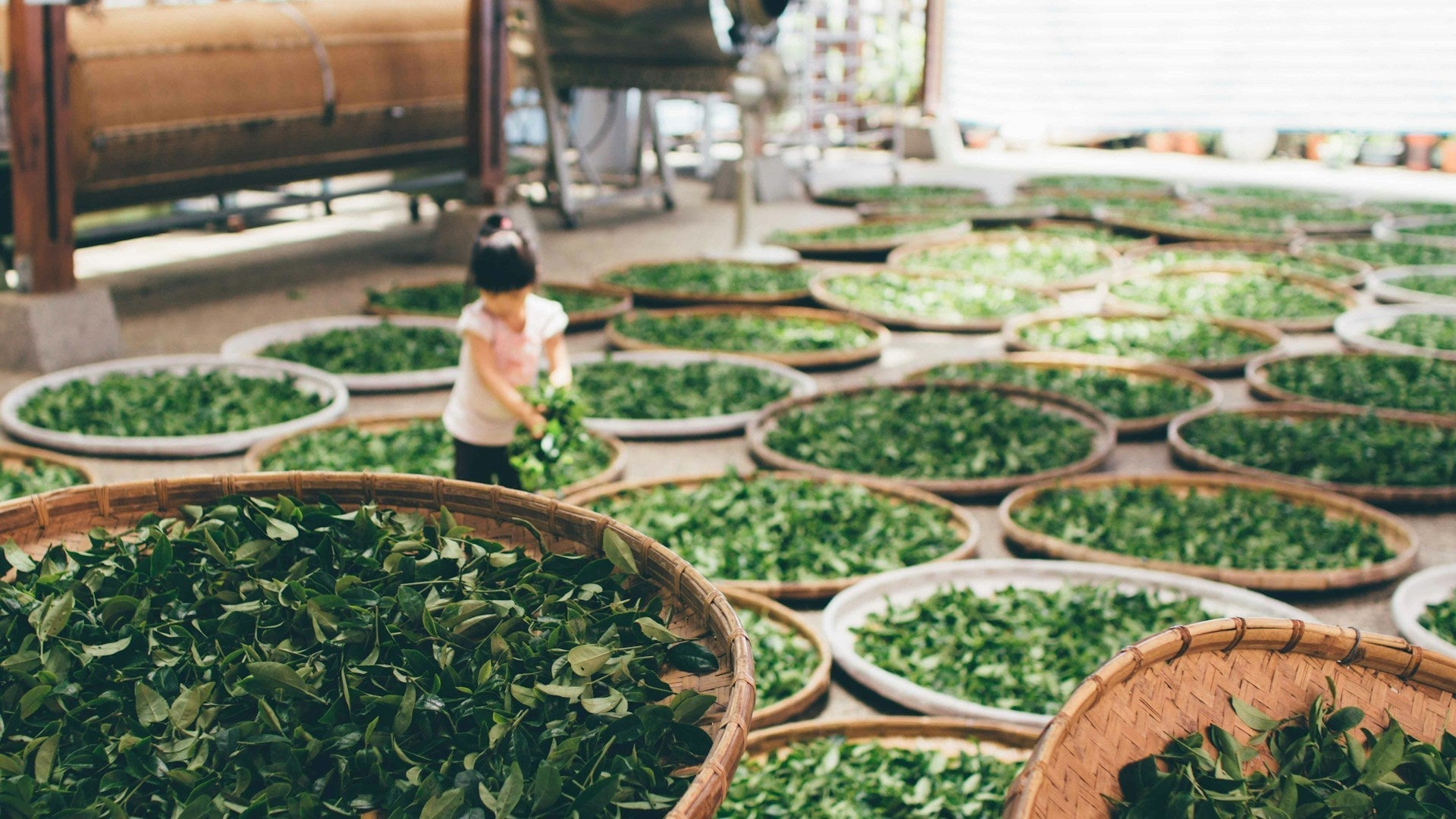
Chai tea can be keto friendly. You just need the right ingredients. Traditional chai is full of sugar and high-carb milk. This makes it unsuitable for a ketogenic diet. Keto chai tea replaces these components. It uses low-carb milks and keto-approved sweeteners. The core spices and rich black tea remain. This preserves the authentic, aromatic flavor you love. You can enjoy a comforting chai without breaking ketosis.

Understanding Keto Chai Tea: The Core Differences
A standard coffee shop chai latte is a sugar bomb. A keto version is entirely different. The swap is about more than just sweetness. It affects the entire nutritional profile of the drink. Seeing the numbers side-by-side makes the choice clear.
From Sugar Laden to Keto Approved
The contrast between traditional and keto chai is stark. One serving of a typical chai latte can contain an entire day's worth of carbs for someone on a keto diet. The homemade keto version, however, barely makes a dent in your daily macros. This makes it a sustainable choice for your lifestyle.
| Chai Type | Serving Size | Net Carbs (Approx.) | Sugars (Approx.) |
|---|---|---|---|
| Traditional Chai Latte | 16 oz (Grande) | 42 g | 42 g |
| Homemade Keto Chai | 16 oz | 1-4 g | 0-1 g |

The Essential Ingredient Swaps
Making chai keto-friendly involves three key substitutions. You must change the milk base. You must select a proper sweetener. You also need to be mindful of your spice source. These changes ensure your chai is delicious and compliant.
- Milk: Cow's milk contains lactose, a natural sugar. This makes its carb count too high for keto. Unsweetened nut milks are the ideal replacement. They offer creaminess with minimal carbs.
- Sweetener: Sugar, honey, and agave are off-limits. Keto-friendly sweeteners provide the sweetness without the blood sugar spike. Options include erythritol, stevia, and monk fruit.
- Spices: Many pre-made chai spice blends contain sugar or fillers. Using whole spices or a pure ground mix gives you control. This ensures authentic flavor without hidden carbs.
The choice of milk is fundamental. It impacts both the flavor and the carbohydrate count of your final drink.
| Milk Type (per 1 cup) | Total Carbs | Sugars | Keto Friendly? |
|---|---|---|---|
| Whole Cow's Milk | 12 g | 12 g | No |
| Unsweetened Almond Milk | 1-2 g | 0 g | Yes |
| Unsweetened Coconut Milk | 1-2 g | 0-1 g | Yes |
| Unsweetened Macadamia Milk | 0-1 g | 0 g | Yes |

Crafting the Perfect Keto Chai Tea at Home
Making your own keto chai is simple. It puts you in complete control of every ingredient. You can adjust the spice levels and sweetness perfectly. The process itself is a rewarding ritual. It fills your kitchen with wonderful aromas.
The Foundation: Sourcing Your Ingredients
Quality ingredients create a superior drink. Look for fresh, whole spices. Ethnic markets or online spice retailers are great sources. Choose a robust black tea like Assam or Ceylon. These teas have a strong flavor that stands up to the spices and milk. Ensure your nut milk is unsweetened by checking the label.
A Step-by-Step Recipe for Rich Keto Chai
This recipe creates one generous serving of delicious keto chai. You can easily double or triple it. It works perfectly as a hot beverage. You can also let it cool and serve it over ice for a refreshing keto iced chai tea.
Ingredients:
- 1 cup (240 ml) water
- 1/2 cup (120 ml) unsweetened almond or coconut milk
- 1 black tea bag (or 1 tsp loose leaf tea)
- 1/2 inch piece of fresh ginger, sliced
- 1 small cinnamon stick
- 3 green cardamom pods, crushed
- 3 whole cloves
- 3 black peppercorns
- Keto sweetener to taste (e.g., 2 tsp erythritol or 5 drops liquid monk fruit)
- Optional: 1 tsp MCT oil or ghee for extra creaminess and energy
Instructions:
- Combine water, ginger, cinnamon, cardamom, cloves, and peppercorns in a small saucepan.
- Bring the mixture to a simmer over medium heat.
- Reduce heat to low. Let the spices infuse for 10 minutes.
- Remove the saucepan from the heat. Add the black tea bag.
- Let the tea steep for 3-5 minutes, depending on desired strength.
- Strain the tea through a fine-mesh sieve into a mug. Discard the spices and tea bag.
- Stir in your preferred keto sweetener until it dissolves.
- Gently heat the unsweetened nut milk. Froth if desired.
- Pour the warm milk into your chai.
- Add MCT oil or ghee, if using, and stir well.

Navigating the Challenges of Keto Chai
Creating the perfect keto chai can involve some trial and error. The main challenges are replicating the taste and texture of traditional chai. Understanding sweeteners and milk alternatives is key. With a few tips, you can overcome these common hurdles.
The Sweetener Dilemma
Keto sweeteners behave differently than sugar. Finding the right one for your palate is important. For those who enjoy a latte-style drink, mastering how to make a creamy keto chai tea latte is a rewarding process.
- Erythritol: It has a clean taste but can have a cooling effect. It's about 70% as sweet as sugar.
- Stevia: Very sweet with zero calories. Some people detect a slightly bitter aftertaste. A little goes a long way.
- Monk Fruit: Provides a clean sweetness with no aftertaste. It is often blended with erythritol to balance the flavor.
- Allulose: Tastes very similar to sugar. It can even caramelize. It has virtually no impact on blood sugar.
Achieving the Perfect Creamy Texture
Unsweetened nut milks can sometimes feel thin. This results in a watery chai. There are several ways to create a richer, creamier mouthfeel.
- Use Heavy Cream: A tablespoon of heavy whipping cream adds richness with very few carbs.
- Choose High-Fat Milk: Canned full-fat coconut milk (diluted with water) provides incredible creaminess.
- Add Healthy Fats: Blending in MCT oil, ghee, or grass-fed butter emulsifies the drink. This creates a smooth, latte-like texture.
- Use a Frother: A simple milk frother can add volume and a velvety texture to your chosen nut milk.

Beyond the Recipe: Health Benefits and Considerations
Keto chai tea is more than just a delicious beverage. It is packed with ingredients that offer potential health benefits. These advantages align perfectly with a health-conscious lifestyle. Many people wonder about their favorite coffee shop options. The truth is, a standard Starbucks chai tea latte on keto is not feasible due to its high sugar content.
The Power of Spices and Tea
The spices in chai are not just for flavor. They have been used in traditional medicine for centuries. Black tea itself is also rich in beneficial compounds.
- Ginger: Contains gingerol. This compound has powerful anti-inflammatory and antioxidant effects. Studies show it can increase thermogenesis, boosting metabolism.
- Cinnamon: Known for its ability to help regulate blood sugar. Research suggests it can improve insulin sensitivity.
- Cardamom: A good source of antioxidants. It may also help with digestive issues.
- Black Tea: Contains flavonoids. These are antioxidants that may support heart health and reduce inflammation. It also provides a moderate amount of caffeine for focus.
Does Keto Chai Help with Weight Loss?
Keto chai tea can support weight loss. It is a supportive tool within a ketogenic diet. It is not a magic solution. Its main benefit comes from replacing high-sugar drinks. A single traditional chai can contain over 160 calories from sugar alone. The keto version has almost none. This simple swap significantly reduces your daily sugar and calorie intake. The added fats from MCT oil or ghee can also increase satiety. This helps you feel full longer and may reduce overall calorie consumption.
My Tea Journey and the OrientCup Philosophy
My journey with tea was not traditional. I did not grow up on a tea farm. I entered the world of Puerh tea through investment. To me, a tea cake was a stock chart. It was a "drinkable antique." I chased famous mountains and vintage years. My warehouse was full of appreciating assets. Then the market bubble burst. My empire collapsed. The priceless tea cakes became worthless overnight.
At my lowest point, I opened a 20-year-old Puerh cake. Not to appraise it, but to quench my thirst. That was the first time I truly tasted tea. The complex notes of age and earth spoke a different language. It was a language of time, not money. I began to study. I brewed my way through my collection of "dead assets." I learned about aging, technique, and the feeling of tea.
Making keto chai from scratch reminds me of this lesson. My old self would have wanted a quick, sugary concentrate. A fast return on flavor. But that approach misses the point. The ritual of crushing cardamom pods. The aroma of simmering ginger. This process is where the value lies. I realized something was missing from my new ritual. I was drinking this carefully crafted tea from a simple kitchen mug. It felt purely functional.
One day, I brewed the same keto chai in a celadon bowl from my unsold collection. It was a simple, handcrafted piece. The way the bowl warmed my hands. The way the deep green glaze contrasted with the creamy tea. It changed everything. The drink was no longer just a diet beverage. It became a moment of calm. A connection to something more profound.
This realization is what I bring to my work at OrientCup. We believe the vessel is not just a container. It is a bridge to a more profound tea experience. A Yixing pot or a Song Dynasty-style bowl is not about impressing others. It is about honoring the tea. It is about honoring the moment you create for yourself. The right teaware transforms a simple drink into a mindful practice. It connects you to centuries of tradition. It makes the experience whole.
Your keto chai tea can be more than just a recipe. It can be a daily ritual of comfort and wellness. The journey starts with understanding the right ingredients. It deepens when you take the time to prepare it with care. It becomes truly transformative when you honor the experience.
Your journey with tea is a personal one. Perhaps you will start by grinding your own spices this week. Or maybe you will explore our collection to find a piece of teaware that speaks to you. I invite you to discover your own ritual. Find the calm and connection waiting in your cup.
Frequently Asked Questions
Why is traditional chai not suitable for a ketogenic diet?
Traditional chai is often full of sugar and high-carb milk, which makes it unsuitable for a ketogenic diet. Keto chai tea replaces these components with low-carb milks and keto-approved sweeteners to preserve the authentic flavor without breaking ketosis.
What are the essential ingredient substitutions for making keto chai?
Making chai keto-friendly involves three key substitutions: changing the milk base to unsweetened nut milks, selecting proper keto-friendly sweeteners (like erythritol, stevia, monk fruit, or allulose), and being mindful of spice sources to avoid hidden sugars or fillers.
What keto-friendly sweeteners are mentioned in the article, and what are their characteristics?
The article recommends Erythritol (clean taste, cooling effect, 70% as sweet as sugar), Stevia (very sweet, zero calories, potential bitter aftertaste), Monk Fruit (clean sweetness, no aftertaste, often blended), and Allulose (tastes similar to sugar, can caramelize, virtually no blood sugar impact).
How can I achieve a creamy texture in my keto chai when using unsweetened nut milks?
To create a richer, creamier mouthfeel, you can use a tablespoon of heavy whipping cream, opt for canned full-fat coconut milk (diluted), blend in MCT oil, ghee, or grass-fed butter, or use a milk frother to add volume and a velvety texture to your chosen nut milk.
What are the health benefits associated with the spices and tea in keto chai?
Ginger contains gingerol for anti-inflammatory and antioxidant effects, potentially boosting metabolism. Cinnamon is known for helping regulate blood sugar and improving insulin sensitivity. Cardamom is a good source of antioxidants and may aid digestion. Black tea contains flavonoids, which may support heart health, reduce inflammation, and provide moderate caffeine.
Can keto chai tea contribute to weight loss?
Yes, keto chai tea can support weight loss primarily by replacing high-sugar traditional chai drinks, significantly reducing daily sugar and calorie intake. Additionally, healthy fats from ingredients like MCT oil or ghee can increase satiety, helping you feel full longer and potentially reducing overall calorie consumption.
References
- Keto Chai Tea Concentrate & Latte Recipe - A guide to making keto-friendly chai concentrate and lattes.
- The Keto Diet & Tea: A Guide - Exploring various teas compatible with a ketogenic lifestyle.
- Keto Chai Masala Tea - A low-carb recipe for traditional masala chai.
- Keto Chai Latte Recipe - Instructions for crafting a keto-compliant chai latte.
- Keto Masala Chai - Another take on a ketogenic version of masala chai.
- Keto Starbucks Chai Tea Latte - Tips for recreating a keto-friendly Starbucks chai latte at home.
- Is Chai Latte Keto Friendly? - Discussing the keto compatibility of chai lattes.
- Campfire Keto Coconut Chai - A unique keto chai recipe featuring coconut.
- Keto Chai Tea Latte - A low-carb, high-fat chai tea latte recipe.
- Chai for Weight Loss: Unveiling the Slimming Secrets - Exploring how chai can support weight management.
- Low Carb Chai Tea, Goan Style - A regional variation of low-carb chai tea.
- Keto Chai Tea Recipe (Video) - A video tutorial for making keto chai tea.
Share:
Green Tea on Keto: Everything You Need to Know
Keto Tea: The Ultimate Guide