

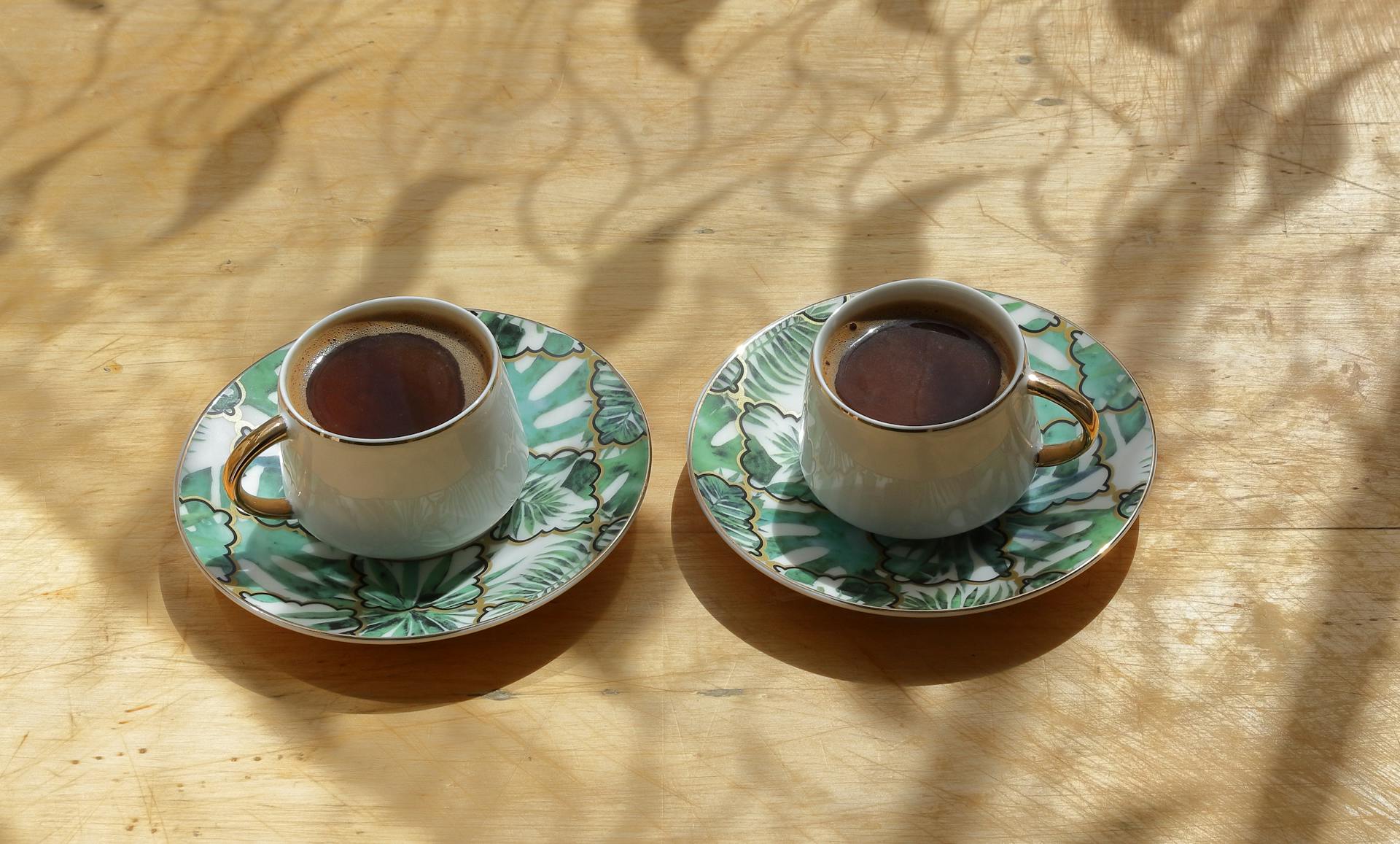
Keto tea is a beverage adapted for the ketogenic diet. It is not one specific product. It is a concept. The core idea is simple. You take a base of tea. You add a source of healthy fats. This combination helps you meet the high-fat needs of a keto lifestyle. It supports your body's state of ketosis.

Understanding the Benefits of Keto Tea
Many people find the ketogenic diet challenging. It requires a significant shift in macronutrient intake. A standard keto diet aims for this breakdown:
- Fat: 70-80% of daily calories
- Protein: 15-20% of daily calories
- Carbohydrates: 5-10% of daily calories
Achieving such a high fat intake can be difficult. Keto tea offers a practical solution. It provides a concentrated source of fats. This helps you stay in ketosis. It also provides sustained energy and reduces hunger.
Adding fat to tea may seem unusual at first. Yet, the benefits are rooted in the science of ketosis. When your body is starved of carbohydrates, it turns to fat for fuel. The liver converts fat into molecules called ketones. These ketones then become the primary energy source for your body and brain. Keto tea is designed to support this metabolic process directly.
Sustained Energy and Mental Clarity
One of the most reported benefits is a clean, steady energy boost. This comes from Medium-Chain Triglycerides, or MCTs. MCT oil is a popular fat source for keto tea. Unlike other fats, MCTs are transported directly to the liver. They are rapidly converted into ketones.
This process provides quick and efficient fuel. Research shows that in ketosis, the brain can derive up to 70% of its energy from ketones. Many people experience enhanced focus and reduced mental fog. It is a different feeling from the jolt of pure caffeine. The energy is smoother and more sustained.
Managing Hunger and Cravings
Fat is highly satiating. A warm cup of keto tea can significantly curb your appetite. This makes it easier to manage cravings between meals. It can also help with intermittent fasting. A morning keto tea can keep you feeling full until your first meal.
Studies have shown MCT oil's effect on satiety. Consuming 10-20 grams can lead to eating fewer calories later. For many, this is the key to sticking with the diet long-term. It helps manage the psychological challenge of hunger.
Supporting Your Metabolic State
Keto tea is more than just a fatty beverage. It actively supports your body's ability to produce and use ketones. Consuming MCTs has a direct impact on blood ketone levels. A single tablespoon can increase blood beta-hydroxybutyrate (BHB) by 0.3-0.5 mmol/L within an hour. This helps you maintain a consistent state of nutritional ketosis.
For those just starting, it can help ease the transition. It may reduce symptoms of the "keto flu." For experienced keto followers, it helps optimize their metabolic state for better results.

How to Make Your Own Keto Tea
Ready-made keto tea products exist. However, making your own is simple and cost-effective. It also gives you complete control over the ingredients and their quality. You can tailor it to your specific tastes and goals.
The Core Components
A great keto tea has three main parts.
- The Tea Base: You can use almost any tea you enjoy. Black tea is a classic choice. Many people prefer a good keto green tea for its antioxidant benefits. Is black tea keto-friendly? Yes, it is an excellent option with zero carbs. Herbal teas are also great keto choices, especially for a caffeine-free evening drink. Something like a warming ginger tea is perfectly keto-friendly and offers additional benefits.
-
The Fat Source: This is the most important part.
- MCT Oil: The most efficient choice for ketone production.
- Grass-fed Butter or Ghee: Adds a creamy texture and beneficial fatty acids.
- Coconut Oil: A budget-friendly option rich in MCTs.
- Heavy Cream: Use sparingly, as it contains a small amount of carbs.
-
Optional Add-ins: These allow for customization.
- Collagen Peptides: Adds protein for skin, hair, and joint support.
- Spices: Cinnamon, nutmeg, or turmeric can add flavor and health benefits.
- Keto-Friendly Sweeteners: If you miss having sweet tea on keto, use stevia, monk fruit, or erythritol.
A Simple Starter Recipe
This basic recipe is a great starting point.
- Brew Your Tea: Steep one tea bag or 1-2 teaspoons of loose-leaf tea in 8-12 ounces of hot water. Let it brew for 3-5 minutes, then remove the tea.
- Add Your Fats: Pour the hot tea into a blender. Add 1 tablespoon of MCT oil and 1 tablespoon of grass-fed butter or ghee.
- Blend Until Frothy: Blend on high for 20-30 seconds. This emulsifies the fats, creating a creamy, latte-like consistency. Blending is crucial to avoid an oily layer on top.
- Serve Immediately: Pour into your favorite mug and enjoy.
A keto tea made this way contains around 230 calories. It has approximately 28 grams of fat. It has less than 1 gram of net carbs.
Customizing Your Brew
Feel free to experiment with different combinations. You can create a rich, satisfying beverage that rivals any coffee shop creation. For a different texture, learn how to make keto milk tea using unsweetened almond milk and heavy cream. Even when you are out, you can find options. A simple keto iced tea at Starbucks is possible with the right customizations. The key is to find a routine that works for you.

Potential Downsides and Considerations
Keto tea is a powerful tool. However, it requires a mindful approach. Introducing a large amount of fat, especially MCT oil, can have effects if you are not prepared.
Start Slow with Fats
MCT oil can cause digestive distress for some. Up to 50% of people experience issues like cramping or diarrhea when they start. This is almost always due to taking too much, too soon.
<Frequently Asked Questions
What exactly is keto tea?
Keto tea is a beverage concept, not a single product. It combines a base of traditional tea with a source of healthy fats. This combination is designed to support the high-fat requirements of a ketogenic diet and help the body stay in a state of ketosis.
What are the main benefits of incorporating keto tea into a ketogenic diet?
Keto tea offers several benefits: it helps you meet the significant fat intake required by the diet, provides sustained energy and mental clarity through MCTs, aids in managing hunger and cravings, and actively supports your body's metabolic state by boosting ketone levels and potentially easing "keto flu" symptoms.
What types of fats are typically used to make keto tea?
The most common and efficient fat source is MCT oil, known for its rapid conversion to ketones. Other popular options include grass-fed butter or ghee for creaminess, coconut oil (rich in MCTs), and heavy cream, though the latter should be used sparingly due to its small carbohydrate content.
Can I use any type of tea as the base for keto tea?
Yes, you can use almost any tea you enjoy. Black tea is a classic choice, while green tea is popular for its antioxidant benefits. Herbal teas, such as ginger tea, are excellent for caffeine-free options, especially in the evening.
How does keto tea provide sustained energy and mental clarity?
The sustained energy and mental clarity primarily come from Medium-Chain Triglycerides (MCTs), often from MCT oil. MCTs are quickly transported to the liver and converted into ketones, which serve as a clean and efficient fuel source for both the body and the brain, enhancing focus and reducing mental fog without the jitters of pure caffeine.
Does keto tea help with hunger and cravings?
Yes, fat is highly satiating. A warm cup of keto tea can significantly help curb your appetite and manage cravings between meals. Studies show that consuming MCT oil can lead to eating fewer calories later, making it a valuable tool for sticking to the diet and supporting intermittent fasting.
Are there any potential downsides or precautions to consider when drinking keto tea?
The main consideration is digestive distress, especially when starting with MCT oil. Many people experience cramping or diarrhea if they consume too much, too soon. It's crucial to start with a small amount of fat and gradually increase it as your body adapts.
Can I make keto tea at home, and what's a simple recipe?
Absolutely! Making your own keto tea is simple and allows for customization. A basic recipe involves brewing 8-12 ounces of your preferred tea, then blending it with 1 tablespoon of MCT oil and 1 tablespoon of grass-fed butter or ghee until frothy. Blending is key to emulsifying the fats and achieving a creamy texture.
What optional ingredients can I add to customize my keto tea?
You can add collagen peptides for additional protein and benefits for skin, hair, and joints. Spices like cinnamon, nutmeg, or turmeric can enhance flavor and provide health benefits. For sweetness, use keto-friendly sweeteners such as stevia, monk fruit, or erythritol.
References
- Energizing Keto Tea - Perfect Keto
- What Are Good Teas for Keto Diet? - Drink Quivr
- Keto and Green Tea: The Ultimate Diet Combination - History of Ceylon Tea
- Is Tea Keto Friendly? - Tealife
- The Keto Diet Tea: A Guide - Art of Tea
- How to Find Keto Tea for Your Keto Diet - Live Zesty
- Is Green Tea Keto? - Ketogenic.com
- Tea & Keto Diet Guide - Simple Loose Leaf
- The Keto Diet and Matcha Tea: Everything You Need to Know - Matcha.com
- Is Green Tea Keto or Not? - TeaLeavz
- Tea Friendly Keto - Northland Tea
- Ultimate Guide to Ceremonial Grade Matcha: Keto Friendly - Powdervitamin
- Benefits of Keto-Friendly Sweet Decaf Black Iced Tea - The Republic of Tea
- Detox Tea Side Effects - General tea health information from Healthline
- The Ultimate Guide to Keto-Friendly Teas and Ingredients - Tucson Tea
Share:
The Ultimate Guide to Keto Chai Tea
Is Hibiscus Tea Keto Friendly? A Complete Guide